

Addressing Primary Cell Culture FAQs
Cell culture is the process of growing cells under controlled conditions outside of their natural environment (e.g., organ systems of the body). By studying cells in vitro, researchers can examine cellular behavior in a highly controlled and reproducible way, providing insight into fundamental processes such as metabolism, signaling, and aging.
Cell culture also enables systematic investigation of how cells respond to environmental changes, as well as to both natural and experimentally induced stress. This includes studying interactions with other cell types, responses to carcinogenic or infectious agents, and evaluating the effects of therapeutic compounds.
Beyond these applications, cell culture supports more complex biological modeling, such as combining multiple cell types to generate tissue-like structures (e.g., in vitro skin models). Cells can also serve as biological “factories” to produce therapeutically relevant molecules, including vaccines, monoclonal antibodies, enzymes, and hormones.
Together, these capabilities make cell culture an indispensable tool across a broad range of research areas, from basic biology to drug development, toxicity testing, disease modeling, and regenerative medicine. While primary cells offer high physiological relevance, they also present unique considerations for researchers. In this FAQ, we address some of the most common questions about Lifeline® Cell Technology’s primary cells.
What’s the Difference between Human Primary and Cell lines?
Primary cells are isolated directly from living tissue and retain many of the physiological characteristics of their tissue or organ of origin, making them highly relevant for studying natural cellular behavior. They are widely used for studies in disease mechanisms, immunology, or drug validation, as they accurately represent in vivo biology. However, they can be more challenging to maintain in culture and have a finite lifespan in vitro. Lifeline offers a broad portfolio of primary human cells, including both normal and diseased types such as endothelial, epithelial, fibroblasts, hematopoietic, keratinocytes, melanocytes, mesenchymal stem cells, neural stem cells, skeletal muscle cells, and smooth muscle cells.
In contrast, cell lines are typically derived from primary cells but have been genetically modified to proliferate indefinitely. These immortalized cells are easier to maintain and offer high homogeneity and reproducibility, but they often lose key characteristics of the original tissue over time. Commonly used cell lines include HeLa, HEK293, and CHO cells. While cell lines are often used for experimental reproducibility and convenience, the lack of physiological relevance can limit their ability to accurately model cellular behavior in vivo, tissue-specific responses, or disease processes.
What are the Pros and Cons of Normal Primary Cells?
| Pros | Cons |
| Cells have not been modified and reflect physiological characteristics of the original tissue | Requires technical expertise and strong aseptic technique |
| Can be expanded and cryopreserved | Finite lifespan in vitro |
| Lower costs associated with primary cell culture than with comparable animal studies | Can be susceptible to contamination (e.g., bacterial, fungal, or cross-contamination between cell types) |
| Provide an in vitro model that closely mimics in vivo conditions | Potential instability after extended culture, which can alter cell characteristics from cells in the source tissue |
| Primary cells within a lot can be well-characterized and relatively homogeneous | Donor-to-donor variability between lots |
While there are both pros and cons to using primary cells, realizing their full potential to drive biomedical research depends heavily on the quality of the starting tissue and the consistency of isolation techniques.
Lifeline brings decades of expertise in primary cell isolation across a wide range of human tissue types from adipose, bladder, lung/airway, kidney, breast, and more.
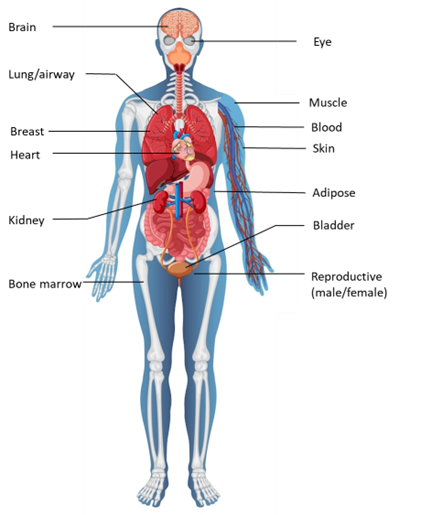
All primary cells are supported by rigorous quality control processes to ensure cells retain the correct morphology, are viable, free from contamination (e.g., mycoplasma, bacteria, fungus), and retain key characteristics of their tissue of origin (e.g., cell-specific marker expression).
At What Stage are Primary Cells Cryopreserved?
When working with primary cells, researchers often want to know at what stage the cells are cryopreserved, as this can impact their behavior, growth potential, and suitability for specific experiments. Primary cells are isolated from tissues using physical and/or enzymatic methods, followed by selection/purification of the target cells, and cryopreservation. The goal of cryopreservation is to arrest metabolic activity while preventing intracellular or extracellular ice crystal formation, which can rupture cellular membranes and damage cells. Lifeline utilizes appropriate cryoprotectants with optimized cryopreservation protocols to maximize cell viability and recovery after thawing.
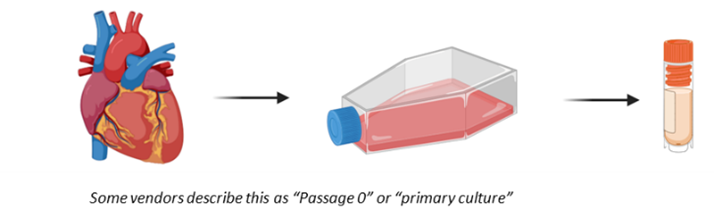
To provide clarity, Lifeline defines passage number based on the number of passage(s) that have occurred since the original tissue isolation.
Cells Cryopreserved at Passage 1 (described as ‘Primary Cells’):
- Cells are isolated from the tissue, plated in tissue culture vessel (p1)
- Cells are collected and cryopreserved
Cells Cryopreserved at Passage 2 (described as ‘Secondary Cells’):
- Cells are isolated from the tissue, plated in tissue culture vessel (p1)
- Cells are expanded and plated in tissue culture vessel (p2)
- Cells are collected and cryopreserved

Cells Cryopreserved at Passage 3 (described as ‘Tertiary Cells’):
- Cells are isolated from the tissue, plated in tissue culture vessel (p1)
- Cells are expanded and plated in tissue culture vessel (p2)
- Cells are expanded and plated in tissue culture vessel (p3)
- Cells are collected and cryopreserved

The passage at which primary cells are cryopreserved depends on the tissue source and specific product. For example, Lifeline’s human umbilical vein endothelial cells are cryopreserved at passage 1 (primary cells), while normal human bladder smooth muscle cells are cryopreserved at passage 2 (secondary cells). This information is provided on the product specification sheets for each cell type.
Does Lifeline Have Multiple Donors?
Most Lifeline primary cell products are derived from single-donor lots, but pooled donor lots are also available for certain cell types. For example:
Single-donor lots are ideal when researchers want to study biological responses from a defined individual, preserving donor-specific variability. Pooled donor lots, on the other hand, combine cells from multiple donors to reduce individual variability and provide a more generalized model of human biology.
Lifeline has a wide variety of donors to choose from. Donor demographic data is collected, including age, race, gender, cause of death (if applicable), smoking status, and relevant medical history. Access to a variety donors is particularly valuable for early-stage drug testing, as it helps ensure that experimental results reflect a diverse population and that potential therapies are effective across different patient groups.
Whether you are modeling disease, testing therapeutics, or interested in unraveling the complexities of metabolic pathways, primary cells offer unique insights that cell lines cannot provide. Explore Lifeline’s full primary cell portfolio and discover how high-quality, well-characterized cells can help advance your research.